
Tongue-ties & Lip-ties
Why Evaluating Your Child for a Tongue Tie or Lip Tie Matters
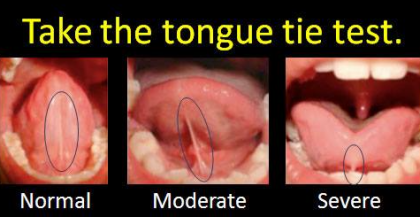
A tongue tie (ankyloglossia) or lip tie occurs when the tissue that connects the tongue or upper lip to the mouth restricts normal movement and function. While some children with these restrictions have no noticeable concerns, others may experience challenges that impact feeding, speech, oral development, breathing patterns, and overall quality of life.
A comprehensive evaluation by a trained professional can help determine whether a tongue tie or lip tie is affecting your child’s oral function—not just whether the tissue “looks tight.” Function is the key factor. The tongue plays an important role in swallowing, maintaining proper oral posture, supporting jaw and facial development, and helping create healthy breathing patterns.

Benefits of Having Your Child Evaluated
Early evaluation can help identify whether a restricted tongue or lip is contributing to symptoms such as:
- Difficulty breastfeeding, including poor latch, clicking sounds, prolonged feedings, or maternal discomfort
- Difficulty transitioning to solid foods or challenges with chewing and swallowing
- Speech concerns related to limited tongue mobility
- Mouth breathing or difficulty maintaining proper tongue posture
- Sleep concerns, including restless sleep, snoring, or signs of airway restriction
- Oral habits such as tongue thrusting or an open-mouth posture
- Orthodontic concerns related to improper oral function and facial development
A functional evaluation looks at how the tongue and lips move, how your child breathes, swallows, rests their tongue, and uses their oral muscles. Identifying restrictions early may allow for appropriate support and intervention during important stages of growth and development.
How a Frenectomy Can Help
A frenectomy is a procedure that releases a restricted frenum—the small band of tissue that limits movement of the tongue or lip. When a restriction is impacting function, releasing the tissue can allow for improved mobility and better oral muscle function.
Potential benefits of a frenectomy may include:
- Improved tongue range of motion
- Better ability to achieve proper tongue posture against the palate
- Improved breastfeeding success in infants when restriction is contributing to feeding challenges
- More efficient chewing and swallowing patterns
- Improved oral muscle coordination
- Support for speech development when mobility is a contributing factor
- Improved ability to complete myofunctional therapy exercises effectively
- Support for healthy airway and facial development
Why Myofunctional Therapy Is Often an Important Part of the Process
A frenectomy releases the restriction, but it does not automatically teach the muscles how to function correctly. Orofacial myofunctional therapy helps retrain the tongue, lips, jaw, and facial muscles to develop proper strength, coordination, and resting patterns.
Therapy before and after a frenectomy may help your child:
- Prepare the muscles for improved movement
- Learn proper tongue posture and swallowing patterns
- Reduce the risk of compensatory habits returning
- Maximize the functional benefits of the release
Every child is unique, and not every tongue or lip tie requires treatment. A thorough evaluation can help determine whether a restriction is impacting your child’s health and development and whether a frenectomy may be an appropriate option.
If you have concerns about your child’s oral function, breathing, feeding, or sleep, an evaluation can provide answers and help guide the next steps.